

6 Basement Problems You Shouldn't Ignore This Fall
Fall is a good time to check your basement for signs of water damage before winter arrives. Small leaks, damp walls, and other moisture problems can be easy to overlook, especially if you don’t spend much time in your basement. Here are six problems worth checking for and what they could mean for your house.
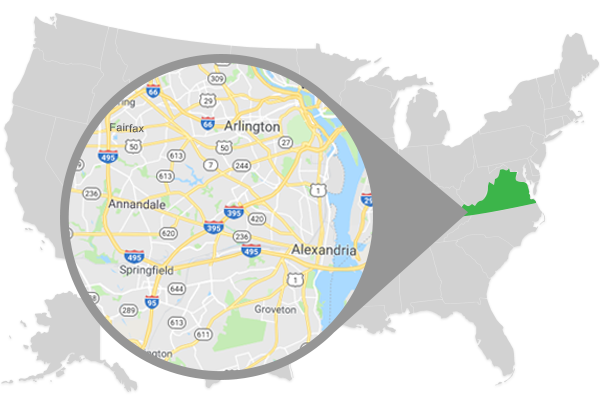
If any of these sound familiar, Summit Waterproofing can come by and give you a free basement inspection in Fredericksburg, Fairfax, Alexandria, Arlington, and the surrounding northern Virginia area. We’ll take a look at the problem and come up with a plan to fix it. Fill out our contact form to get started or give us a call at 703-291-1516.

1. Water Stains on Basement Walls
Water damage in your basement doesn’t always mean there’s a puddle on the floor. Discoloration, damp spots, or water stains on your basement walls can be signs that moisture is getting in through the foundation.
These stains may appear after heavy rain or develop slowly over time. They can be caused by cracks in the foundation, poor drainage around your home, or water pressure building up in the soil outside. Even if the stains feel dry, it’s worth checking whether the moisture problem is still active.
If left unaddressed, ongoing moisture can damage wall finishes, encourage mold growth, and lead to more serious water problems.

2. Cracks in Basement Walls or Floors
Not every crack in your basement is a cause for concern. Small cracks can develop naturally as a home settles over time. However, some cracks can allow water to seep into your basement or point to larger foundation problems.
Pay attention to cracks that are getting wider, running horizontally along basement walls, or showing signs of water leaking through. These can be warning signs of pressure or movement affecting your foundation.
Even small cracks can become a problem if water starts getting through. Depending on the cause, waterproofing repairs such as foundation crack sealing or basement drainage systems can help prevent water from entering your home. If you notice widening or horizontal cracks, have your foundation inspected to determine whether there are any structural problems that need attention.

3. White Powder on Basement Walls
Have you noticed a white, chalky substance on your basement walls? This is called efflorescence, and it forms when moisture moves through concrete or brick and leaves mineral deposits behind as it dries. Efflorescence itself is harmless, but it can be a sign that moisture is getting through your basement walls.
You can usually remove the white powder with a stiff brush, but cleaning it off won’t fix the moisture problem causing it. If it keeps coming back, it’s a good idea to have your basement inspected to find out where the moisture is coming from and how to stop it.

4. Musty Smells or Mold Growth
A musty smell in your basement is often a sign of excess moisture, even if you don’t see any water. Damp walls, high humidity, and small leaks can create the right conditions for mold to grow, especially in areas with poor airflow.
Look for mold growth on walls, ceilings, or stored belongings, along with peeling paint and damp spots. Mold can also grow behind drywall or in other hidden areas, so don’t ignore a musty smell just because you can’t see anything wrong.
If you notice a persistent musty smell, start by checking for leaks, damp walls, or standing water. A dehumidifier can help control humidity, but it won’t fix an active leak. If you can’t find the source of the moisture or the problem keeps coming back, have your basement inspected. A waterproofing professional can help identify where water is getting in and recommend the right repairs to keep your basement dry.

5. Standing Water or Damp Floors
Puddles on your basement floor are an obvious sign of a water problem, but even small damp spots shouldn’t be ignored. Water can enter through foundation cracks, seep up through the floor, or collect where the basement walls meet the floor.
You might notice damp areas after heavy rain or puddles that keep appearing in the same spot. If left untreated, this moisture can damage flooring, stored belongings, and other materials in your basement.
If you find standing water, try to identify where it’s coming from. Check for plumbing leaks and look for water entering along the walls or floor. If the problem keeps happening, a waterproofing professional can inspect your basement and determine whether repairs, such as an interior drainage system or sump pump, are needed.

6. Sump Pump Problems
Your sump pump helps keep your basement dry by collecting water and pumping it away from your home. If it stops working properly, water can build up in the sump pit and potentially flood your basement.
Common warning signs include unusual noises, a pump that runs constantly, or water that isn’t draining from the sump pit. Power outages and clogged discharge lines can also prevent your sump pump from doing its job.
Before winter arrives, make sure your sump pump has power and check that the discharge pipe isn’t blocked. You should also test the pump according to the manufacturer’s instructions to make sure it turns on and removes water properly. If you notice anything unusual or aren’t sure whether it’s working correctly, have it inspected. A battery backup sump pump can also provide extra protection during power outages.

How to Protect Your Basement This Fall
Basement problems can lead to costly repairs if left ignored too long. If you’re noticing moisture in your basement in Fredericksburg, Fairfax, Arlington, or Alexandria, reach out to Summit Waterproofing. We can help find the source of the problem, waterproof your basement, and repair any damages caused by excess moisture. Fill out our online contact form today or call us at 703-291-1516 to get started.