
How a Sump Pump Can Save Your Basement from Flooding

Basement water problems usually start the same way. After a heavy rain, water builds up around your foundation and looks for a way in. Over time, that pressure can push moisture through cracks, seams, and porous concrete, leading to damp walls, pooling water, or full-on flooding.
A sump pump is one of the most effective ways to control that water before it becomes a bigger problem. When paired with an interior drainage system, it gives water a controlled path out of your basement instead of letting it sit against your foundation.
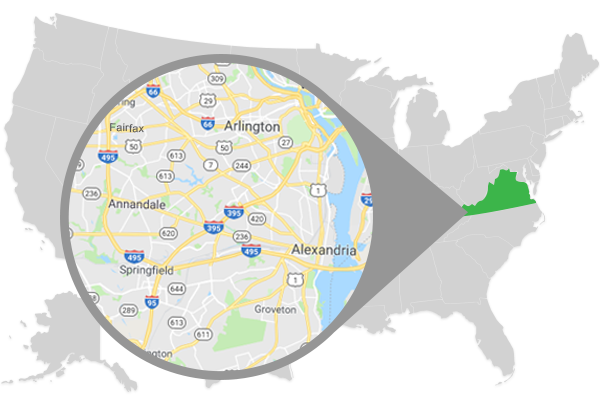
This guide explains how sump pumps work, what an interior drainage system does, and how the two systems work together to keep basements dry in areas like Alexandria, Fairfax, and Fredericksburg, where soil conditions and seasonal weather can make water intrusion a recurring issue.
Why Does My Basement Flood?
Basement flooding usually comes down to one thing. Water builds up around your foundation and has nowhere else to go.
In Northern Virginia, that happens more often than homeowners expect. The soil in areas like Alexandria, Fairfax, and Fredericksburg tends to hold water instead of draining it away. After heavy rain, that saturated soil puts pressure on your foundation. This is called hydrostatic pressure. Over time, that pressure forces water through weak points in the structure.
Here are the most common ways water gets in:
- Foundation cracks
Small cracks in walls or floors give water an easy entry point, especially during or after storms. - The cove joint (where the wall meets the floor)
This is one of the most common leak areas. Water collects at the base of the foundation and seeps in along this seam. - Porous concrete walls
Concrete isn’t fully waterproof. It can absorb moisture from the surrounding soil and let it pass through. - Basement windows and window wells
Poor drainage outside can cause water to pool and leak in through window frames. - Clogged or failing exterior drainage
Gutters, downspouts, or exterior drains that aren’t working properly allow water to collect right next to the foundation. - Freeze-thaw damage
In winter, water seeps into small cracks, freezes, expands, and makes those cracks larger. When it warms up, those openings are big enough to let more water in.
Most basement flooding issues aren’t caused by one major failure. It’s usually a combination of these factors happening over time. Every basement is different, to get a clear break down of why your basement is flooding contact us for a free waterproofing estimate.
What Is a Sump Pump and How Does It Work?

A sump pump is a system designed to remove water from your basement before it can build up and cause flooding. Instead of letting water sit against your foundation or collect on the floor, it gives that water a controlled way out.
At its core, it’s a simple setup made up of three main parts:
- Sump pit (basin)
This is a hole installed at the lowest point of your basement. Water naturally flows into this pit, either from the surrounding soil or through a drainage system. - The pump
This sits inside the basin. When water reaches a certain level, the pump automatically turns on. - Discharge line
This is the pipe that carries water from the pump and directs it safely away from your home’s foundation.
Here’s what happens during a heavy rain:
- Water builds up in the soil around your foundation.
- That water makes its way into the sump pit, either naturally or through an interior drainage system.
- As the water level rises, the pump is triggered by a float switch.
- The pump pushes the water out through the discharge line.
- The water is released outside, far enough away that it can’t come back in.
This process repeats as long as water is entering the system. When it’s working correctly, you’ll never see water on your basement floor because it’s being removed before it gets that far.
What Is an Interior Drainage System (Fast Track System)?

An interior drainage system, often called a fast track system, is what collects water before it ever reaches your basement floor and directs it to the sump pump.
Instead of trying to stop water from getting in completely, this system redirects it. It’s installed along the inside perimeter of your basement, right at the base of the foundation where water typically shows up first.
Here’s how it works:
A narrow trench is cut along the edge of the basement floor. Inside that trench, a drainage channel or pipe is installed. This system sits right where the wall meets the floor, which is the most common place for water to enter.
As water builds up around your foundation, it seeps in at that joint or through the wall. Instead of spreading across the floor, it drops into the drainage system. From there, it’s directed straight into the sump pump basin.
Once it reaches the sump pump, it’s pumped out and discharged away from the house.
The key role of an interior drainage system is simple. It intercepts water early and keeps it contained. Without it, water can enter at multiple points and spread across the basement before it ever reaches the sump pit.
This is why sump pumps and interior drainage systems are usually installed together. One collects the water. The other removes it.
Why a Sump Pump Alone Isn’t Always Enough
A sump pump is designed to remove water. It’s not designed to collect it from across your entire basement.
If you only have a sump pump without a drainage system, water still has to find its way to that one spot. In many cases, it doesn’t get there fast enough. Instead, it seeps in along different areas of the foundation and spreads across the floor before it ever reaches the basin.
Water doesn’t enter your basement in one clean, controlled location. It can come in along the entire perimeter, especially at the cove joint or through small cracks. Without a system in place to capture that water early, it will show up in multiple areas.
An interior drainage system solves that problem by collecting water right where it enters and directing it to the sump pump immediately.
Think of it this way:
- The drainage system collects and controls the water
- The sump pump removes it from the home
If you rely on the pump alone, you’re reacting to water after it’s already spread. When the two systems work together, water is managed before it becomes visible or causes damage.
Signs You May Need a Sump Pump or Interior Drainage System

Most basements don’t go from dry to flooded overnight. There are usually warning signs that water is starting to become a problem.
Here are the most common things to look for:
- Water on the floor after heavy rain
This is the clearest sign. Even small amounts of pooling mean water is getting in and not being controlled. - Damp or discolored walls
Dark spots, staining, or peeling paint can point to moisture coming through the foundation. - Musty or humid smell
A persistent damp smell usually means moisture is present, even if you don’t see standing water. - Efflorescence (white, chalky residue on walls)
This is left behind when water moves through concrete and evaporates. It’s a sign that water is actively entering the space. - Cracks in the foundation floor or walls
Not all cracks leak, but they create an easy path for water under pressure. - Water showing up in the same area repeatedly
If you notice moisture in the same corner or along the same wall after storms, that area is likely a consistent entry point. - Previous flooding or water issues
If your basement has flooded before, it’s likely to happen again without a proper system in place.
These signs usually start small, but they tend to get worse over time, especially with repeated rainfall and seasonal changes. Catching them early gives you more control over the solution before it turns into a larger repair.
Benefits of Installing a Sump Pump System
Benefits of a Sump Pump and Perimeter Drainage System include:
- Prevents basement flooding
Water is collected along the perimeter and redirected before it can spread across the floor. - Controls water at the source
The drainage system captures water where it enters, instead of letting it move freely through the basement. - Reduces hydrostatic pressure on your foundation
By relieving pressure from saturated soil, you lower the risk of cracks getting worse over time. - Helps prevent mold and moisture buildup
Keeping water out of the open space reduces humidity, which limits mold growth and that damp basement smell. - Protects flooring, walls, and stored items
A dry basement means less risk of damage to anything inside, whether it’s finished space or storage. - Runs automatically during heavy rain
Once installed, the system works without you having to monitor it. Water comes in, gets collected, and is pumped out. - Provides long-term protection, not a temporary fix
Instead of patching leaks or managing water after the fact, this system handles the problem in a consistent, reliable way.
When both systems are installed together, you’re not just removing water. You’re controlling how it moves through your basement from start to finish, which is what keeps the space dry over time.
Do You Need a Sump Pump Back Up Battery?

In most cases, yes.
The times when your sump pump is needed most are during heavy storms. Those same storms are also when power outages are most likely to happen. If the power goes out a standard sump pump stops working, even if water is actively entering your basement.
A backup battery keeps the system running when the primary pump loses power.
Here’s why it matters:
- Protection during power outages
Without a backup, your system is completely shut down when you need it most. - Continuous operation during heavy rain
Storms that bring in the most water often come with high winds and outages. A backup keeps water moving out of the basement. - Extra layer of reliability
Some backup systems also kick in if the main pump fails or can’t keep up with incoming water. - Peace of mind when you’re not home
If a storm hits while you’re away, the system can still operate and prevent flooding.
In areas like Alexandria, Fairfax, and Fredericksburg, where strong storms can roll through quickly, a backup battery is less of an upgrade and more of a safeguard. Without it, you’re relying on power staying on during the exact conditions that usually knock it out.
How to Maintain Your Sump Pump System
A sump pump system doesn’t need constant attention, but it does need to be checked periodically to make sure it’s ready when you need it.
Here are a few simple things homeowners can do:
- Test the pump
Pour a bucket of water into the sump pit. The float should rise, trigger the pump, and remove the water quickly. If it doesn’t turn on or struggles, it needs attention. - Check the discharge line
Make sure the pipe outside is clear and directing water away from the foundation. In colder months, this line can freeze or get blocked. - Inspect the sump pit
Remove any debris, dirt, or buildup that could clog the pump or interfere with the float switch. - Listen for unusual noises
Grinding, rattling, or loud vibrations can be a sign the pump is wearing out or something is stuck. - Check the backup battery (if installed)
Make sure the battery is charged and the system is operational. Most batteries need to be replaced every few years. - Know the age of your pump
Most sump pumps last around 7 to 10 years. If yours is getting older, it’s worth having it inspected before it fails.
Routine maintenance doesn’t take much time, but it makes a big difference. A sump pump is one of those systems you don’t think about until it stops working, and that’s usually during a storm when water is already coming in.
Cost of Sump Pump Installation in Northern Virginia
The cost of a sump pump installation can vary quite a bit depending on the setup in your basement and whether a drainage system is included.
For most homes in Alexandria, Fairfax, and Fredericksburg, the price is influenced by a few key factors:
- Whether you need a perimeter drainage system
A sump pump by itself is a smaller install. If water is entering along the perimeter, adding an interior drainage system is what allows the pump to work effectively. - Basement size and layout
Larger basements or more complex layouts require more material and labor to properly install the system. - Existing water damage or conditions
If there’s already damage, standing water, or previous repairs, that can affect the scope of work. - Pump type and backup system
Standard pumps cost less upfront, while higher-capacity pumps and battery backup systems add to the total but provide more protection. - Discharge line routing
The distance and path needed to safely move water away from the home can also impact installation time and cost.
In general, homeowners can expect a wide range depending on whether it’s a basic sump pump install or a full waterproofing system with drainage. Summit Waterproofing offers free detailed estimates to give you a clear overview of what’s needed to keep your basement dry
Sump Pump Installation in Alexandria, Fairfax, and Fredericksburg
Homes in Alexandria, Fairfax, and Fredericksburg all deal with similar issues. Saturated soil, heavy rain, and foundation pressure. But the way water shows up in each basement can be different. That’s why the right solution starts with a proper inspection.
At Summit Waterproofing, sump pump installations are built around the full picture:
- Where water is entering
- How it’s moving through the basement
- What’s needed to collect it and remove it effectively
In most cases, that means installing both a sump pump and a perimeter drainage system so water is captured at the foundation and directed out of the home before it can spread.
Our installation process is straightforward and focused on long-term performance. We install the system along the perimeter, set the sump basin at the lowest point, connect everything properly, and test it to make sure it’s working the way it should before the job is complete.
If you’re seeing water in your basement or signs of moisture, the best next step is to have it evaluated. Waiting usually just gives the problem more time to spread.
We offer inspections and sump pump installation services throughout Alexandria, Fairfax, and Fredericksburg. If you want a system that actually keeps your basement dry, we can take a look and walk you through the right approach for your home.
What to Expect During a Sump Pump and Drainage System Installation

A sump pump and perimeter drainage system installation is a controlled, step-by-step process. It’s more involved than a simple repair, but when it’s done correctly, it solves the problem at its source.
Here’s what the process typically looks like:
- Inspection and layout
The first step is identifying where water is entering and planning the system around your basement’s layout. This determines where the drainage system will run and where the sump basin will be placed. - Cutting the perimeter trench
A narrow section of the concrete floor is cut along the edge of the basement. This is where the drainage system will be installed. - Installing the drainage system
A channel or perforated pipe is placed in the trench along the perimeter. This is what collects water as it enters at the base of the foundation. - Setting the sump basin and pump
A pit is created at the lowest point of the basement, and the sump pump is installed inside it. The drainage system is connected so all collected water flows into this basin. - Installing the discharge line
A pipe is run from the pump to the exterior of the home, directing water safely away from the foundation. - Backfilling and sealing the system
The trench is filled back in and sealed with concrete, leaving a clean, finished surface.
Most installations are completed within a day or two depending on the size of the basement. While there is some noise and dust during the process, it’s contained to the work area and cleaned up before the job is finished.
The end result is a system that quietly manages water in the background, without you having to think about it every time it rains.
Basement Waterproofing Solutions in Alexandria, Fairfax, and Fredericksburg
At Summit Environmental Solutions, basement waterproofing is built around how water is actually entering your home. In most cases, that means combining a sump pump with a perimeter drainage system to manage water from the moment it reaches the foundation.
Our basement waterproofing solutions include:
- Sump pump installation
Removes collected water from the basement and discharges it away from the home. - Interior perimeter drainage systems (fast track systems)
Installed along the base of the foundation to capture water before it reaches the floor. - Foundation crack repair
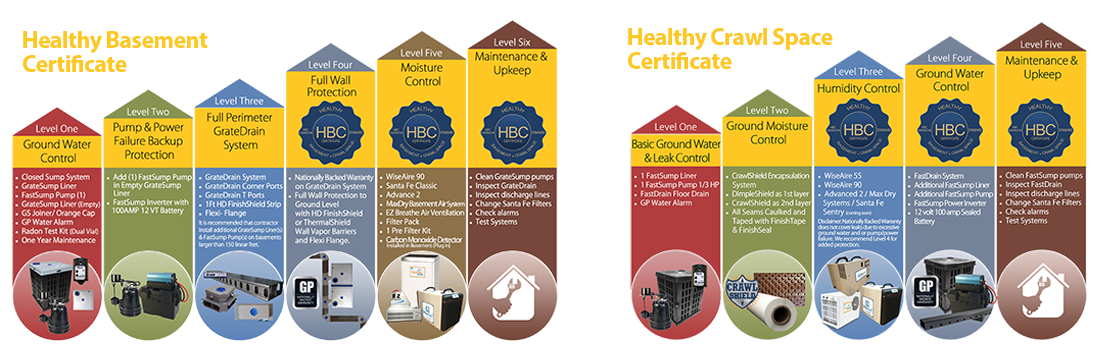
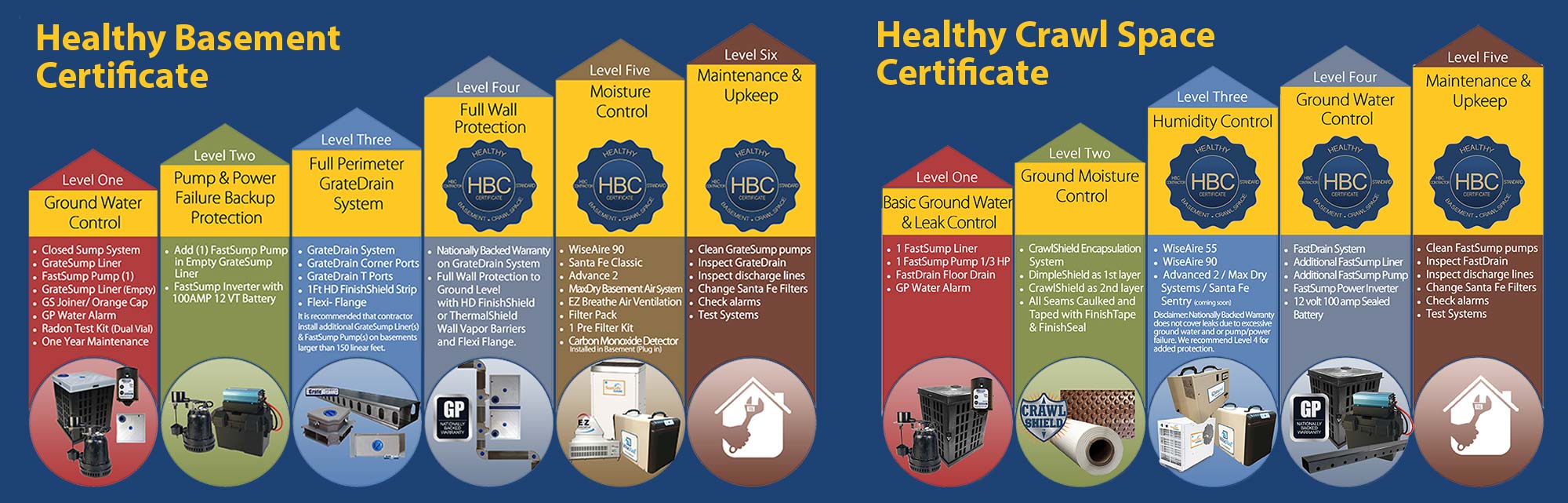
Seals active leaks and prevents water from continuing to enter through visible cracks. - Crawl space and basement moisture control
Helps reduce humidity and long-term moisture issues that can lead to mold and damage.
Every home in Alexandria, Fairfax, and Fredericksburg is a little different, but the goal is always the same. Control the water, protect the structure, and keep the space dry long-term.
If you’re noticing water, dampness, or signs of moisture in your basement, the best step is to have it looked at before it turns into a larger repair. A properly designed system will solve the problem at its source, not just cover it up.